

Finding the Signal in the Noise
the LINK | Fall 2026
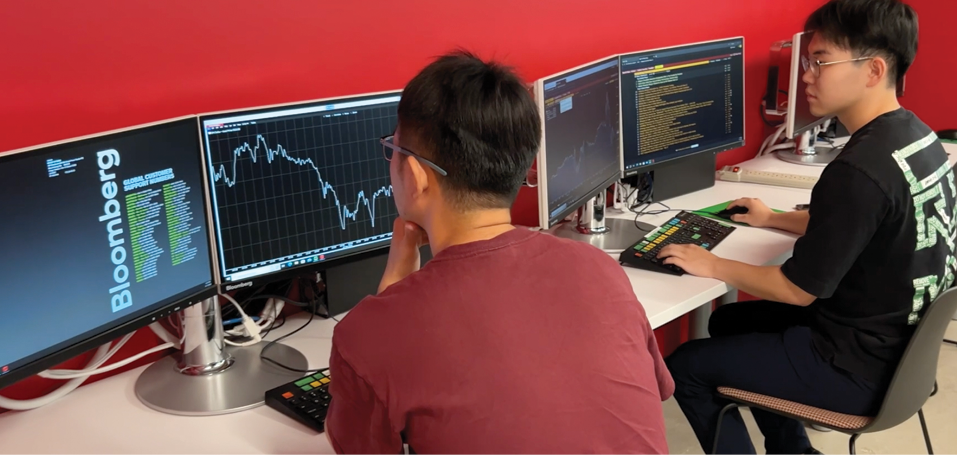
Where Code Meets Capital
The finance industry increasingly utilizes advanced AI, creating a high demand for SCS graduates to manage complex data, enhance trading and bolster cybersecurity. While AI offers significant operational advantages, experts emphasize that robust human oversight remains essential to ensure reliability, compliance and regulatory adherence.

Building at the Speed of AI
Carnegie Mellon University's AI Venture Studio (AI//VS) is accelerating student entrepreneurship by allowing interdisciplinary teams to build functional, AI-driven startup companies in just ten days, moving from ideation to investor pitches in a single semester.
More from the Fall 2026 Issue
-

The Computational Approach to Scientific Discovery
As Dean Martial Hebert introduces this issue of The LINK magazine, he highlights its exploration of SCS innovators who through their training are uniquely positioned to revolutionize fields such as finance, healthcare and security to improve the lives of others.
-
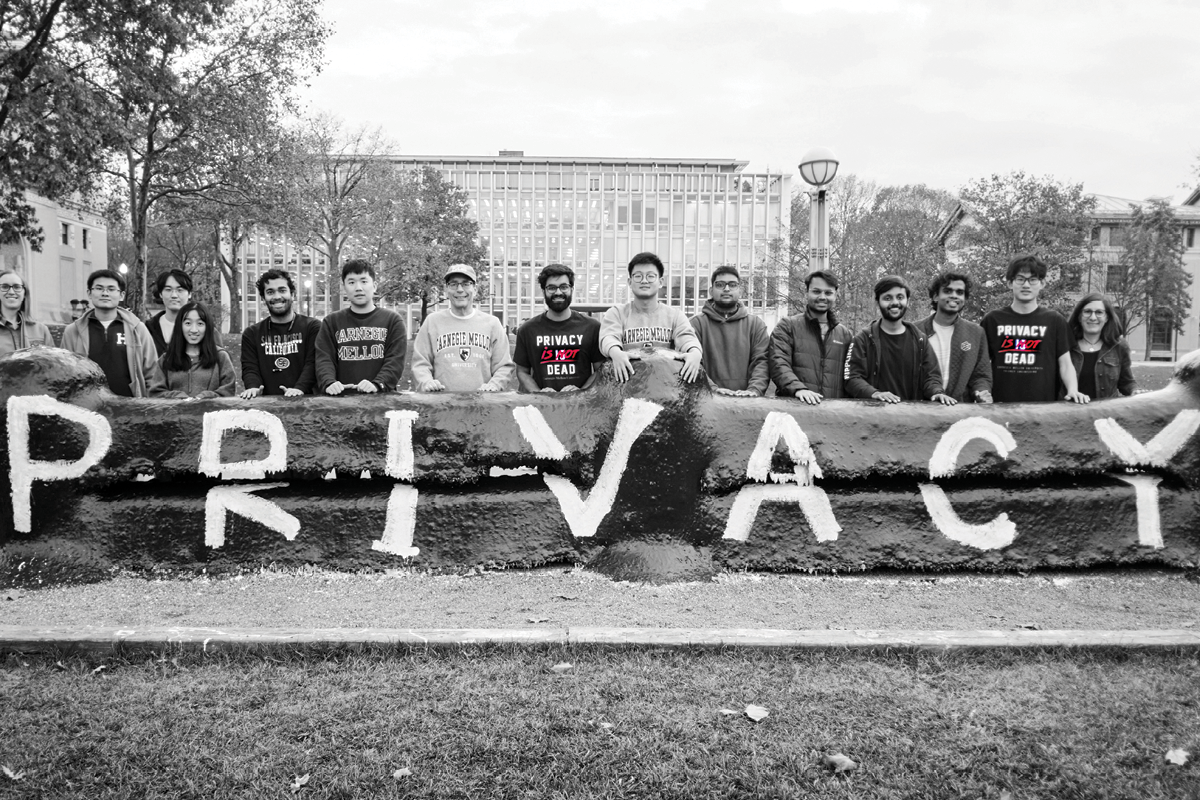
How Privacy Engineering is Shaping the Age of AI
Carnegie Mellon University alumni trained in privacy engineering are helping organizations navigate the complex intersection of law, technology and responsible innovation.
-
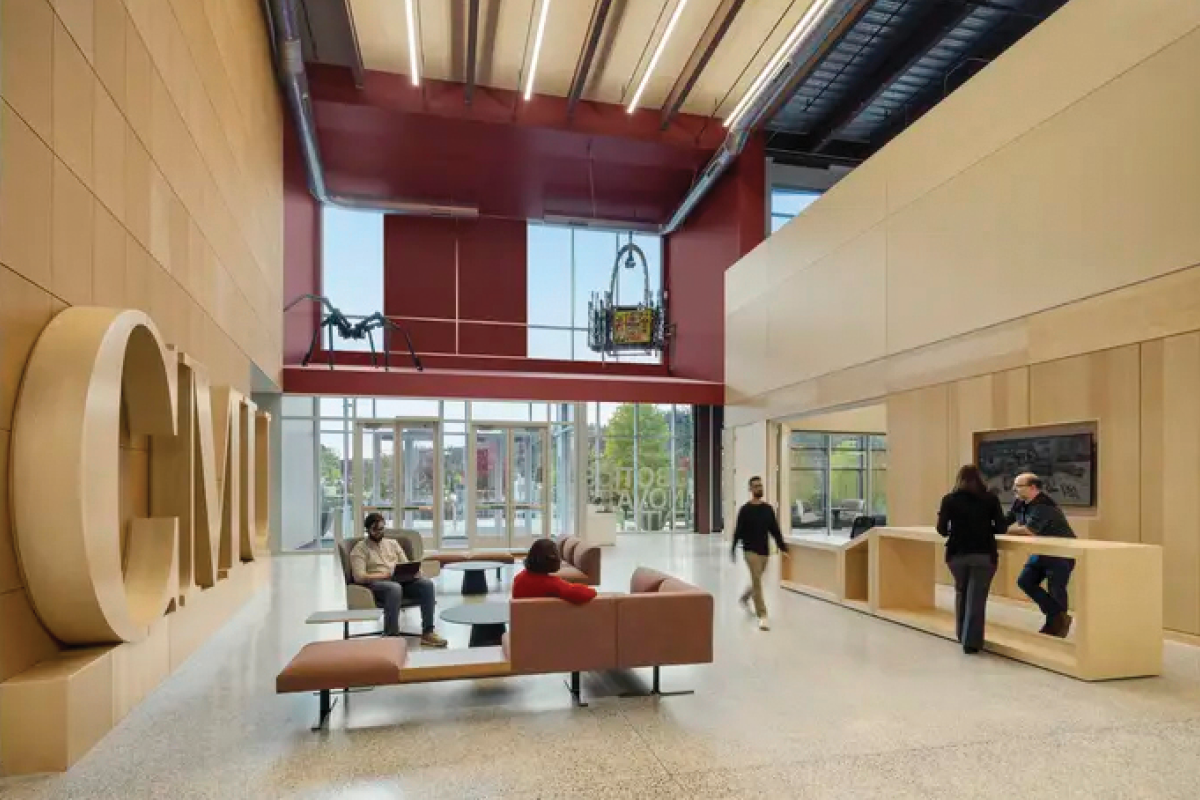
Inside CMU’s Robotics Innovation Center
At the new Robotics Innovation Center, more than 50 labs and research groups will push the boundaries of what robots can do — from navigating the skies and deep water to operating autonomously in unpredictable environments.
-

Advancing Medical Advocacy and Access
As healthcare systems grapple with rising demand, limited resources and persistent barriers to care, Carnegie Mellon researchers and alumni are developing AI-powered tools to connect patients with the medical, social and human support they need.
-
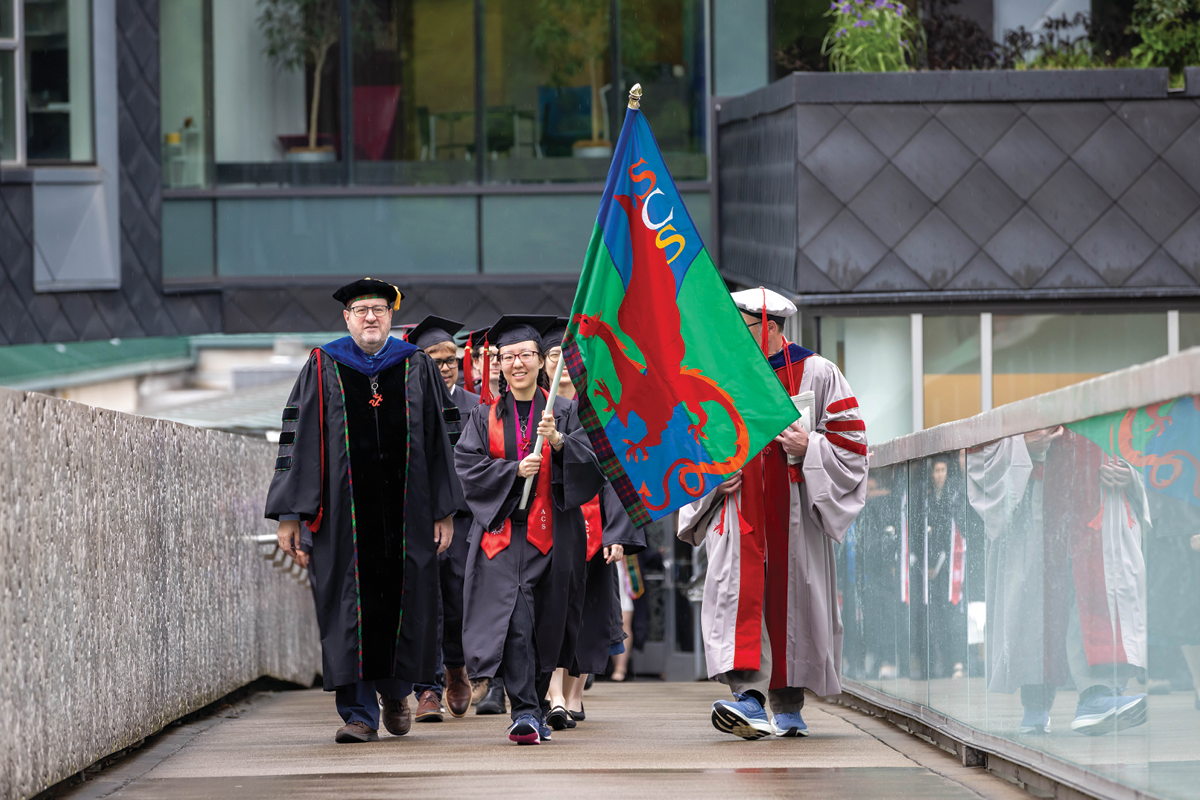
Class of 2026 Commencement
Congratulations to the graduating class of 2026! Please enjoy a selection of photos from the SCS 2026 Commencement weekend.
-

Guarding the Future
A new five-year partnership between Carnegie Mellon University’s Master of Science in Robotic Systems Development program and security robotics company Knightscope is putting graduate students at the center of developing the next generation of autonomous security robots.
-
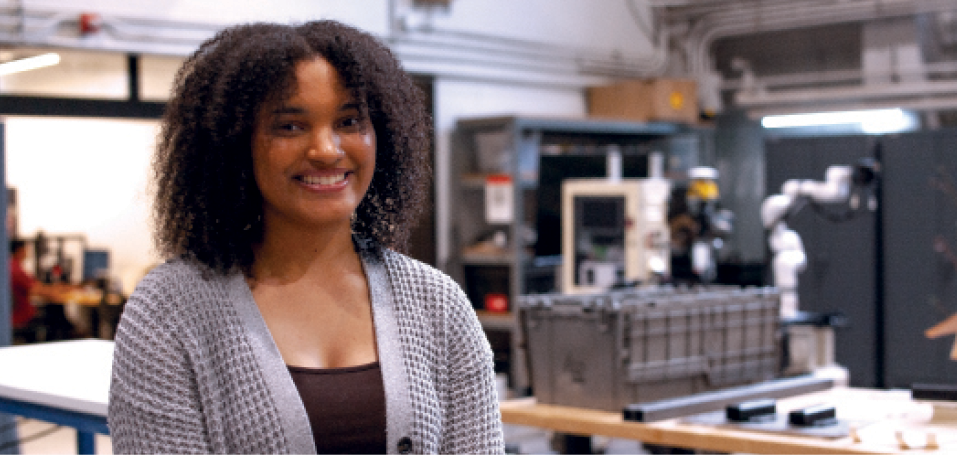
Work Hard Dream Harder: Beverly Da Costa
All of CMU celebrates Beverly Da Costa, the historic inaugural graduate of its new Bachelor of Science in Robotics program as she reflects on navigating the new curriculum, her haptic capstone and building a more inclusive future for automation.
-

In Memoriam: David Farber
Join us as we honor the legacy of pioneering computer scientist David J. Farber, the "grandfather of the internet," who passed away at 91. The tribute highlights his groundbreaking work in distributed networks, tech policy and his mentorship of the internet's early architects.